Wood Cabinets
Hardwood is a product of nature, so many influences affect the appearance of the wood. Weather conditions, the type of soil the tree grew in, insects, minerals, and the tree's natural pruning process (which creates knots) all contribute to the unique beauty of hardwood cabinetry.
Finish products are used to enhance and protect the wood's surface and to diminish the effects of ultraviolet rays. Exposure to sunlight, chemicals, and smoke will cause a cabinet's finish to change color over time. Cabinets with natural or light finishes accent the wood's natural variations more than darker finishes do.
In certain dry climates, some cabinets may experience shrinkage that exposes the overlay panels, resulting in space variations. This is natural and is not a defect. In humid climates with high moisture levels, wood can expand, causing fractures and variations in spacing.
What to Expect
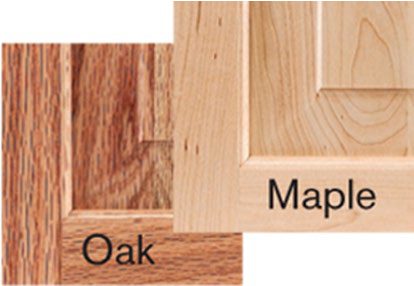
Each tree varies in grain, pattern, density, and color, and nature's impact determines the wood's distinctive character. Color match and grain patterns will vary because of these material characteristics and are not considered defects. Exposure to sunlight, smoke, and chemicals may cause some materials to fade or shift from their original color over time. Extreme temperatures can cause solid wood items, such as drawers and doors, to warp and shrink.
- Allow time to acclimate. We recommend allowing new cabinetry 30 to 60 days to acclimate to the environment of your home. During this period you may notice some shifting of doors that can make them appear warped or bowed. This is normal as the wood expands and contracts to adjust to its new environment.
- Hairline cracks at joints. Wood is in a constant state of expansion and contraction. This normal movement may cause hairline cracks at the joints in the finished surface on cabinet doors and face frames. This does not weaken or diminish the strength of the joints.
- End grain absorbs more stain. End-grain surfaces are softer than other areas of the wood, so they absorb more stain and often appear darker. This is a natural reaction, and variances cannot be prevented.
- Mineral deposits. As a tree extracts nutrients from the soil, mineral deposits may form in the wood, causing blackish-blue streaks in the grain. When finish is applied over mineral streaks, those areas may appear lighter or darker than the surrounding wood.
- Grain telegraphs through stain. The grain is the identifying feature of each wood type and will "telegraph," or show through, the stain. Open or coarse-grained woods (oak, hickory, alder) telegraph more than closed or fine-grained woods (maple, cherry).
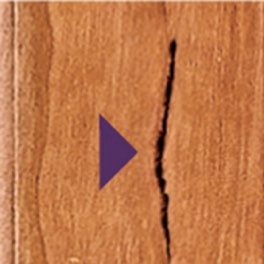
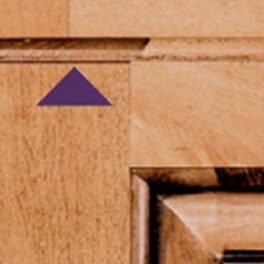
Environmental conditions can also alter a wood product's appearance from when it was new:
- As wood ages, the finish may change or darken over time due to interior lighting, sunlight, and humidity.
- Finishes react to prolonged exposure to tobacco smoke, resulting in discoloration that is especially noticeable on white and lighter finishes.
- Finishes are hand-crafted, so each door is consistently unique. Veneer wood absorbs more stain than solid wood and will appear darker. Door styles built with a solid wood frame and a veneer center panel show more color variation than doors made entirely of solid wood.
Painted Cabinets
Like other wood cabinets, painted cabinets expand and contract with changes in heat and humidity. Enamel painted surfaces do not expand and contract with the wood, which may result in finish fractures at the face-frame joints and doors. Over time, the finish on painted cabinets may dull or discolor with exposure to sunlight.

Species Characteristics
Maple
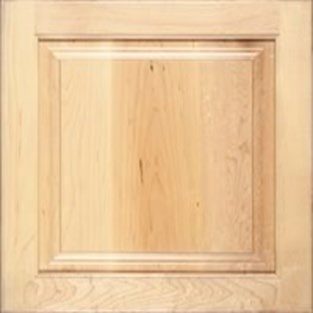
Maple is one of the hardest and most durable woods. Its smooth, subtle grain has a clean, fine-textured appearance enhanced by natural characteristics such as mineral streaks and pitch fleck. Mineral streaks are common and are more visible with darker stains. As maple ages, the color mellows into a rich golden patina—a normal change caused by exposure to UV light and the oxygen in the wood. Later additions to your cabinetry will not match the original color.
Cherry
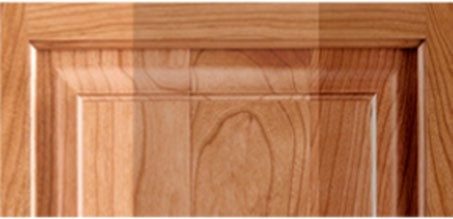
As a natural product, cherry changes color almost immediately. Exposure to sunlight gracefully ages and darkens cherry into a deep, rich red patina. If you add to your cherry cabinets later, the color will not match the existing cabinets. Cherry is distinguished by characteristics such as fine pinholes, grain swirls, pitch pockets, mineral streaks, sapwood, and variations in color and grain. These are features of this elegant wood rather than flaws.
Knotty Alder
Knotty alder is a durable hardwood that often contains a mix of pinholes, open and closed knots, small cracks, worm holes and trails, bird pecks, mineral streaks, and grain variations. The knots vary in shape and size and can absorb stain differently from the rest of the wood. These are features of the wood rather than flaws.

Care Tips: See Cabinets Use & Care for cleaning and maintenance after you move in.
Warranty Coverage: See Cabinets Standards for coverage periods and exclusions.